
Hoof Buffer
| Attribute | Description |
|---|---|
| Size | Buffer head approx. 2″ diameter, 4″ length |
| Length | Tool length ~28 cm when attached to drill |
| Width | Buffer sleeve width ~5 cm |
| Height | Thickness ~4 cm including handle |
| Shape | Cylindrical buffer head with flexible sanding belt |
| Tip Type | Replaceable sanding sleeve (60, 80, 100 grit) |
| Material | Plastic bladder, abrasive belt, metal housing |
| Use Case | Finishes/hardens hoof wall; smoothing and prepping |
| Sterilization | Wipe-clean; sanding sleeve replaceable; handle sanitizable |
Introduction
To get that perfect hoof wall shape, many farriers now turn to a cordless drill with a Hoof Buffer Attachment– or an electric version– rather than older methods like using just a rasp.
What’s the secret? This appealing tool uses a flexible sanding sleeve, sometimes found in grits of 60, 80, or even 100; it can eliminate those unwanted rings and damage spots for good. Designed with professionals in mind, it prepares hooves perfectly for glue-ons and gives a neat finish post-rasping.
Its ingenious inflatable bladder system secures the belt snugly against the hoof wall; sleeves can also be swapped out for this buffer. Cleaning is simple as well– just wipe it down. And if you take care of it, there’s no end to its usefulness.
what is a hoof buffer?
Essentially it’s an attachment for drills or other rotary tools used by farriers when working on horses’ feet. The rotating sanding belt helps smooth out rough edges on the hoof wall– but it does more than that. Because its belt is flexible, it conforms to the shape of the hoof as it moves round.
This means you get an even finish all over without the risk of taking off too much material in one spot (which can happen with some other abrasive pads). Some would argue this makes them ideal for prepping hooves so glue adheres better when putting on shoes/adhesive pads!
Who uses Hoof Buffer tool?
Professional farriers and hoof trimmers, veterinarians preparing hooves for adhesive shoeing, equine rehabilitation specialists dealing with damage, horse owners who take pride in grooming routines– even mobile farrier units understand its value!
What is Hoof Buffer made from?
Essentially there is a cylindrical sanding belt around an inflatable bladder that can bend. For attachment to drills, handles/mounts are typically made from lightweight rustproof aluminum or durable plastic material— whichever one happens to have a shaft.
And there are different belts available too! You can choose from coarse ones that might be around 60 grit or finer options going up to about 100 grit— giving you lots of choices depending on how tough you need that finishing touch to be.
When should it be used?
There are several good times for its use: After rasping or cutting the hoof wall; prior to applying glue-on horseshoes; When refining those edges post-trim so they aren’t too sharp; As part of regular hoof care ensuring they stay balanced and nicely shaped all around; And let’s not forget before shows or sales days where appearance really counts.
Where Is Hoof Buffer Used?
- Farrier salons and trimming stations
- Veterinary clinics offering hoof adhesive procedures
- Home grooming kits and horse owner toolboxes
- Competition preparation areas
- Mobile hoof care units servicing multiple horses
Why Is It Important?
A smooth hoof wall edge supports better balance and hoof contact. A well-finished wall reduces splitting, improves shoe adhesion, and enhances hoof aesthetics. The buffer finishes surface imperfections more evenly than a rasp alone. For glue-on shoeing, this tool ensures the hoof wall can bond securely without gaps or fuzz.
How Does It Work?
- Attach the buffer to a drill with at least a 3/8-inch chuck size.
- Choose your sleeve: 80 or 100 grit for fine finishing, 60 grit if you need to do initial smoothing.
- The rotating belt is designed to follow the shape of the hoof wall, sanding it in an even manner.
- Thanks to the handle, you can easily adjust pressure; simply rotate the belt as it begins to wear down.
- Remember to swap out the abrasive belt once it’s used up.
- Wipe down the handle plus housing and sanitize before using again.
- This tool’s flexible belt design and adjustable tension mean it works on all sorts of hoof sizes and different wall textures too
So where exactly does this hoof buffer fitting sit?
- Farrier Accessories
- Veterinary Instrument Accessories
- Equine Shoeing Tools
- Hoof Grinding/Finishing Equipment
Additional:
For more information about the product and how it can be used to determine its attributes, visit Facebook, Pinterest, or Wikipedia.
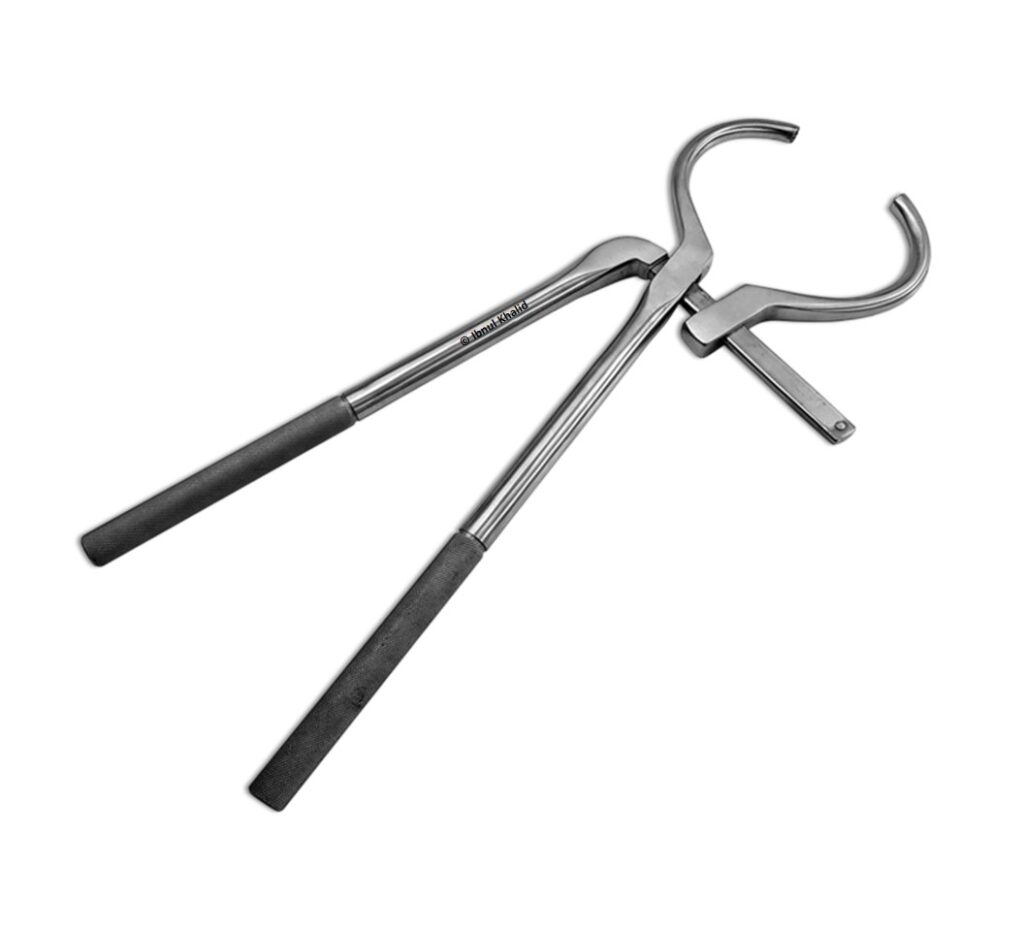
In addition, we have Burdizzo Castrator 9 Inch, which is of high quality and autoclave compatible.
Frequently Asked Questions (FAQs)
Q. What is a hoof buffer used for? |
|---|
| A: It smooths and refines the edge of the hoof wall using rotating abrasive sleeves. |
Q. Do buffer sleeves wear out? |
| A: Yes. Replaceable sanding belts are recommended after 8–15 hooves or when worn |
Q. Which grit should I use? |
| A: 60 or 80 grit for rough finishing; 100 grit for final polish before gluing |
Q. Is the tool reusable? |
| A: Yes. Handle and housing can be sanitized; new belts are easy to install. |
Q. Can it damage the hoof? |
| A:When used properly with light pressure, it smooths without thinning the hoof excessively. |
Reviews
Clear filtersThere are no reviews yet.