
Plastic Ear Tags
| Attribute | Description |
|---|
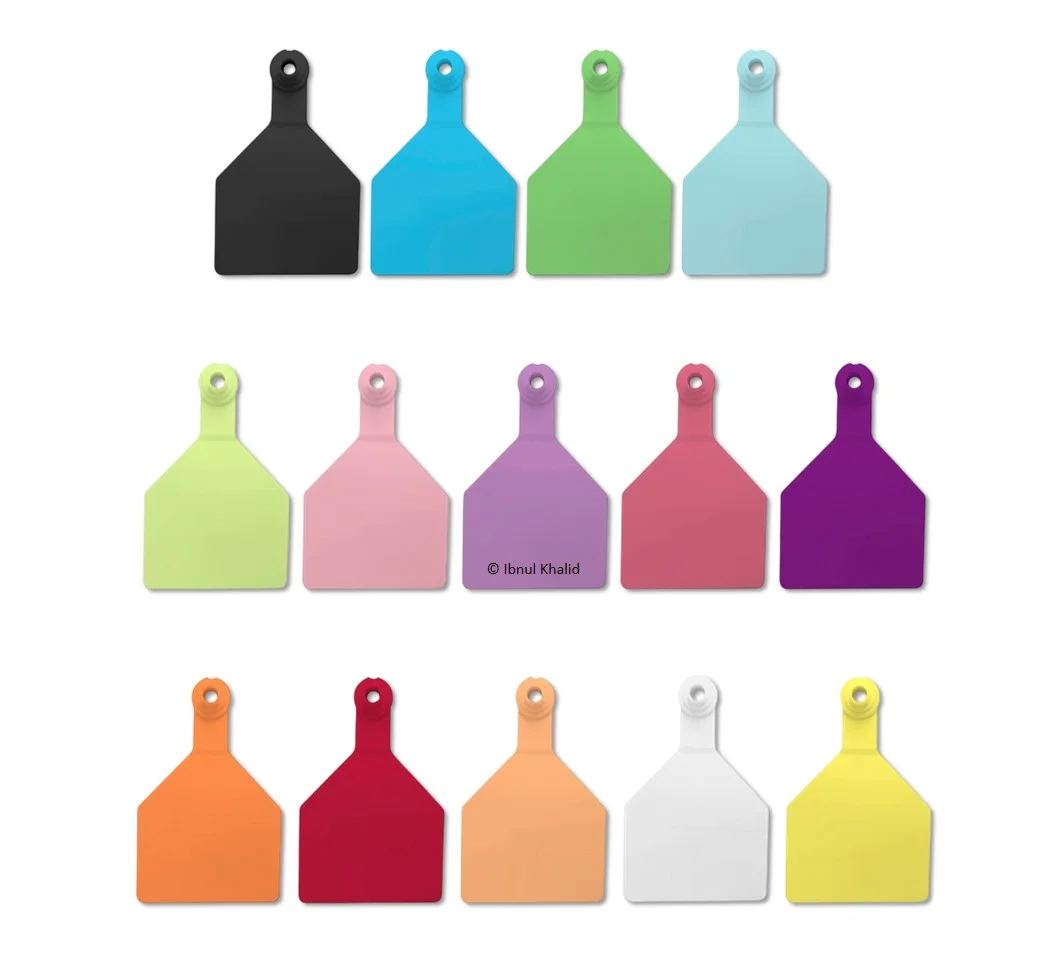
| Size | Small 4 cm, Medium 5.5 cm, Large 7 cm |
| Length | 4 cm to 7 cm |
| Width | 2.5 cm to 4 cm |
| Height | ~0.3 cm thickness |
| Shape | Rectangular or Oval format |
| Tip Type | Rounded pin with sharp end for easy ear penetration |
| Material | Polyurethane-based plastic, fade-resistant |
| Use Case | Single-use livestock identification via ear attachment |
| Sterilization | Non-sterile; disinfect pin before application |
Introduction
In global livestock management, there is a need for an identification system that shows what animal is which without causing it pain.
Plastic ear tags may be the answer as they are widely used worldwide for precisely this purpose with cattle, sheep, goats, pigs, and camelids. They offer a non-invasive way of ensuring animals can be seen.
One major difference is that plastic ones weigh practically nothing and so don’t drag on the ear flap– which could cause damage (or at least discomfort).
Crafted from tough polyurethane plastic, our tags resist fading and maintain legibility in all weather conditions. Ibnul Khalid Industries provides three tag sizes— small (4 cm), medium (5. 5 cm), and large (7 cm)— each featuring durable plastic ear pins for a firm single-use fit.
What Are Plastic Ear Tags?
Think of a plastic ear tag as a visual ID tool made up of two parts; a numbered or blank flag fixed through an animal’s ear using male and female components. These tags play roles in livestock monitoring systems, environmental rules, and herd management too.
The utility of plastic ear tags includes:
- Quickly identifying animals by sight even in huge herds
- Fitting into traceability programs on farms
- A tagging approach that’s non-invasive with little chance of infection
- Most commercial tags come with laser-printed numbers; some even include RFID chips for visual plus electronic ID.
What Constitutes Them?
Crafted from polyurethane-based plastic, the tags are typically found in button or flag configurations. It is not only durable, with a hardness rating of around 45 ShoreD, but also quite flexible: it won’t snap or tear easily.
The secure ear-pin is designed to fit snugly through an animal’s ear and click firmly into place on the tag itself. Like genuine competitors, our premium products resist UV fading, wear, and tear caused by constant ear movement over long periods. ARDES tags reportedly even pass abrasion tests equating to eight full years’ use on farms with retention rates exceeding 99%! So they really do stand up to tough conditions.
When is tagging necessary?
Basically there are four key times you might put tags on your stock:
- At birth (or sometimes weaning) to identify them quickly
- Before moving/selling/showing them— rules mean almost all cattle must be tagged this way for easy tracking
- Tags help keep track of who is who (especially useful if you have more than one species)
Do you need to temporarily mark something separate an animal in a pen?
- Tags can do this job too!
- Also tag ears when required at government traceability audits or herd registration.
- Practical Applications for Different Species
- Cattle and sheep farms: Particularly those with large herds will find these indispensable.
- Goat and pig farms: Anywhere individual ID is a must-have
- Agricultural research facilities: For breeding or genetic tracking; these are perfect
- Livestock markets and auction houses: Great for temporary identification needs here too!
- Traceability compliance zones: Such as EU or Australian NLIS systems; they fit right in.
Where Are Plastic Ear Tags Used?
- When monitoring cattle and sheep on large farms, individual ID tags are often needed.
- In addition, goat and pig farmers may require these tags too but only if the animals live in areas where such IDs are a must.
- At research facilities, scientists also use tags to keep tabs on the parentage and genetics of animals involved in studies.
- And neither do they forget them at livestock markets or auction marts! Here, temporary identification can be essential.
- Of course, plastic visual or electronic ear tags are essential for traceability and farm biosecurity programs in many parts of the world.
Rather than burning a brand onto the animal’s skin or notching ears (which can hurt them), these lightweight things just pop on instead: Perfect for this sort of job because they come in standard colors coding by month breed gender etc., plus ones that work with RFID tech too!
Why Are Plastic Ear Tags Important?
Standardized numbers also help a lot— when available any place worldwide plus color codes indicating information like breed gender birth month among others!
Do keep in mind though; reduce animals’ stress considerably while ensuring quick identification. Many countries require them for security reasons on farms. They help lower infection risks compared to older methods like branding or notching too.
How Are Plastic Ear Tags and Removed?
Put the pin through that flat part of the ear, right between those cartilage layers.
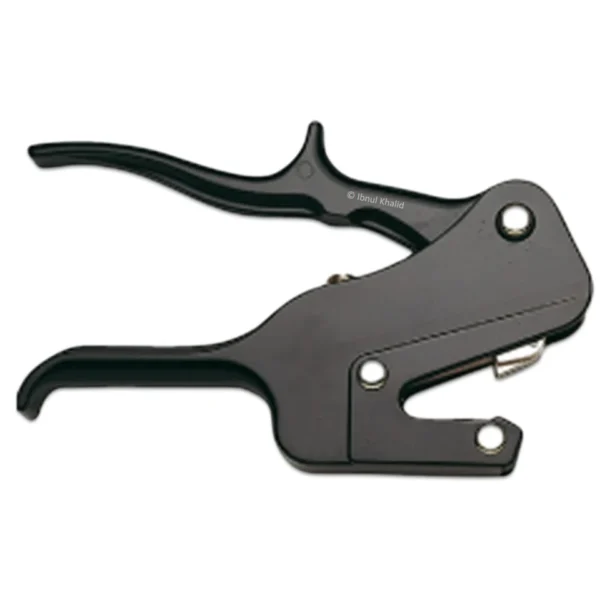
You use an ear tag applicator— it presses the male pin cleanly through the ear into the female tag piece, snapping it all firmly together.
It should hang there freely; nothing too tight or squeezing. When you get numbered sets, they often come in packs you might see sequentially (001–100 or 101–200) with printing done beforehand ([turn0search0]).
Removal of a tag is not common practice; however, if necessary, one can cut off old tags but it’s wise to let any wound heal before putting on a new tag.
Product Categories
- Tools for identifying animals— veterinary
- Equipment to help manage livestock
- Radio tags for horses & cattle (non-electronic)
- Devices for agricultural compliance
Additional:
For more information about the product and how it can be used to determine its attributes, visit Facebook, Pinterest, or Wikipedia.
In addition, we have Burdizzo Castrator 9 Inch, which is of high quality and autoclave compatible.
Frequently Asked Questions (FAQs)
Q. What sizes are available? |
|---|
| A: Three sizes: Small (4 cm), Medium (5.5 cm), Large (7 cm) for different ear and animal sizes. |
Q. Are these Plastic Ear Tags reusable? |
| A: No; each tag remains attached permanently until manually removed. |
Q. Can Plastic Ear Tags fade or break? |
| A: Quality Plastic Ear Tags resist fading and wear; polyurethane tags pass standard abrasion tests and remain legible for years . |
Q. Can Plastic Ear Tags carry RFID chips? |
| A: Yes some flag-type tags include embedded RFID chips for visual and electronic identification. |
Q. How are Plastic Ear Tags applied? |
| A:Using a proper ear-tag applicator: pin through ear into matching female piece and snap firmly. |
Reviews
Clear filtersThere are no reviews yet.