
Self Retaining Milking Tube
| Attribute | Description |
|---|---|
| Size | Standard veterinary sizes (commonly 5–7 cm length) |
| Length | 5 cm – 7 cm |
| Width | 0.3 cm – 0.5 cm (varies slightly by model) |
| Height | 0.3 cm – 0.5 cm |
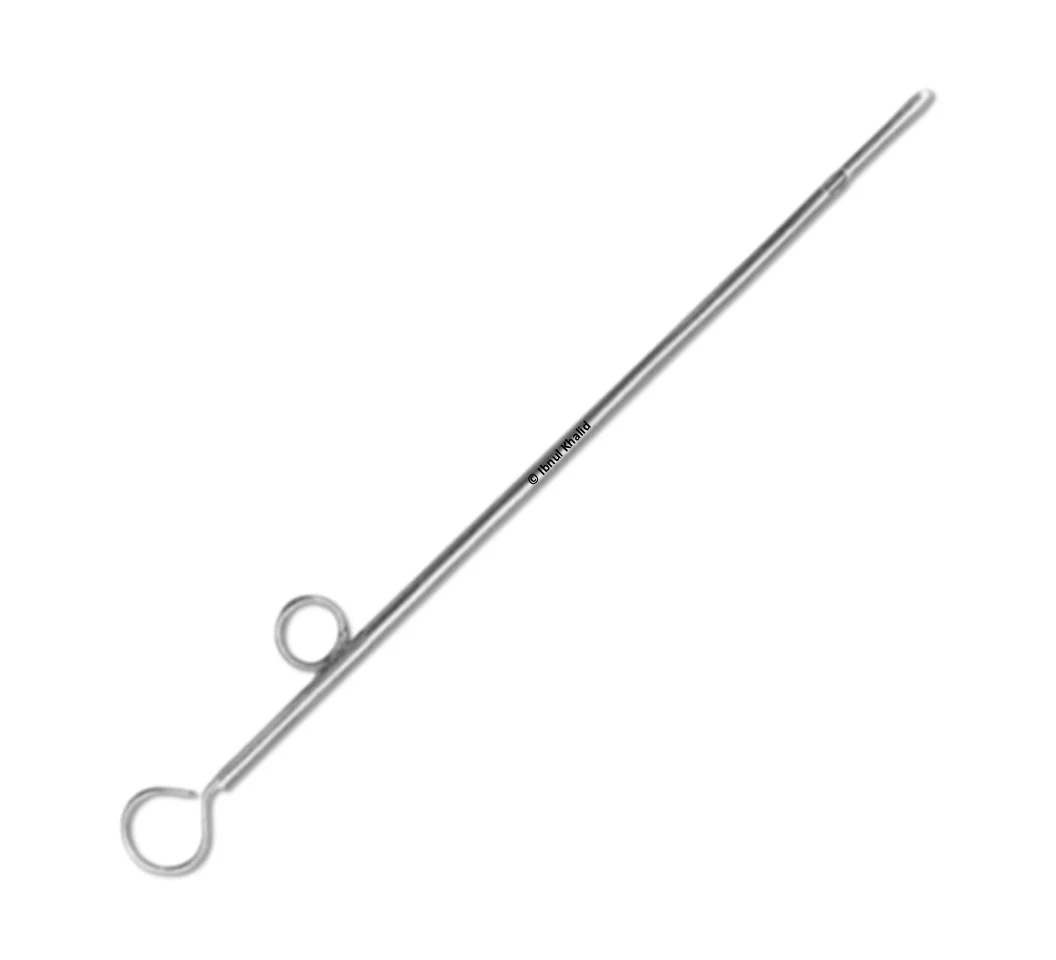
| Shape | Cylindrical with retaining wings |
| Tip Type | Smooth, rounded tip to minimize trauma |
| Material | Stainless Steel / Brass |
| Use Case | Veterinary use for cattle, buffaloes, goats (teat obstruction relief) |
| Sterilization | Autoclave compatible, reusable |
Introduction
The Self Retaining Milking Tube is used in veterinary science to help keep milk flowing in animals like cows, buffaloes, and goats.
This can be important if there is a problem such as mastitis (udder infection) or teat blockage– both conditions that farmers and vets often have to deal with.
Studies suggest that by using this tube, problems can be solved more quickly; also the treatment process may be less stressful for the animal as well as the person involved!
Essentially “self-retaining” means the tube stays put once it has been inserted into a teat (milk duct); therefore no one needs to hold it there all the time during milking/ therapy sessions. This can allow things to proceed more smoothly…
without interruption to milk flow and also meaning lower stress levels for both veterinarian plus patient.
Herein lies an in-depth exploration covering various facets of the Self Retaining Milking Tube: its definition, mechanism of action, intended purpose; alongside appropriate timing & locations for use– plus details about who should be using it!
What is a Self-Retaining Milking Tube?
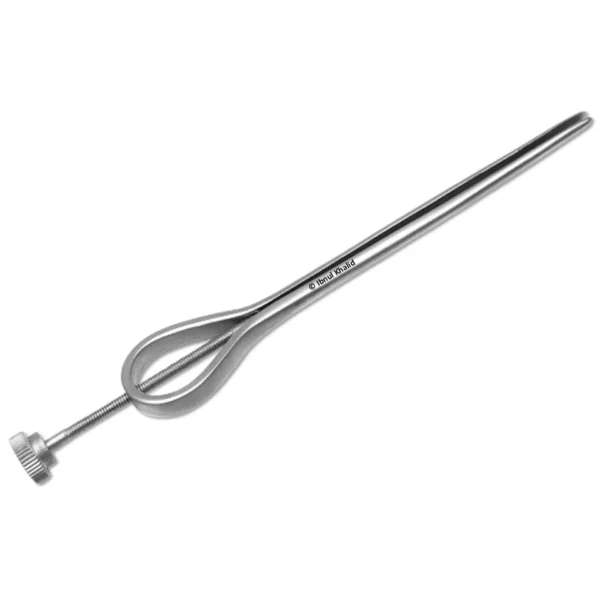
This veterinary tool is hollow and cylindrical with a smooth rounded tip. It also has unique retaining wings that hold it firmly in place once inserted into the teat canal– creating an open passageway so blocked milk can flow out.
Commonly crafted from stainless steel or brass, this device is designed for reuse; it can be sterilized in an autoclave between uses.
Why Use One?
The Self Retaining Milking Tube offers several benefits:
It helps clear blockages in teats that may occur due to mastitis, clots of blood, or swelling– meaning milk flow can return when the natural canal remains stubbornly closed.
Occasionally vets also use these tubes as a short-term measure: Inserted tips allow antibiotics to be given directly into an infected udder.
Most importantly such devices reduce discomfort for cows whilst ensuring farmers do not lose out on vital revenue from dairy sales.
If blockages or infections develop within udders there is nothing for it but wait until they clear up of their own accord. This may mean animals suffer (and thus break welfare rules) plus stockholders face losses: never-ending pain for gentle creatures bred specifically to produce liquid food that people want!
Who Actually Uses Self Retaining Milking Tube?
- Veterinarians: Occasionally encounter mastitis, teat injuries, or stubborn blockages.
- Dairy Farmers: Anyone running a rural or large-scale operation knows the importance of keeping milk flowing.
- Livestock Health Workers: Individuals dedicated to assisting cattle and buffaloes sustain udder health.
When is Self Retaining Milking Tube Applied?
- Cows or buffaloes have a swollen udder.
- Milk refuses to flow even though the animal seems fine otherwise.
- Mastitis (inflammation of the udder) develops.
- Veterinarians need to insert medication directly into the teat canal.
Where can one find Self Retaining Milking Tube in use?
- At livestock facilities, veterinary establishments, and dairy health centers in non-urban areas, the Self-Retaining Milking Tube may be utilized.
- Its value escalates in dairies given that a significant amount of money is dependent upon cows’ capacity to secrete milk!
What is the process?
- The animal is properly secured.
- The veterinarian cleans the teat area.
- With care, the Self-Retaining Milking Tube is placed inside the teat canal– a spot that has gentle grips (or
- “wings”) designed to keep it securely there; these prevent slippage during milking sessions too!
- When milk or other fluids exit the udder gland they flow down through this hollow tubing system– which
- also provides vets with an easy route if meds need adding directly into there as well.
- It’s safe, fast, and effective– especially when done by a professional vet.
Types of Use
- Veterinary Instruments
- Dairy Farming Equipment
- Livestock Healthcare Tools
Advantages of Self Retaining Milking Tube
- Maintains smooth milk flow.
- Reduces udder pressure and pain.
- Can be autoclave sterilized and reused.
- Decreases handling time for both farmers and vets.
- Cost-effective for dairy farms.
Safety & Sterilization
- Because it comes in direct contact with delicate tissues, this item requires sterilization every time it is used again.
- Boiling water and autoclaves are suitable methods for achieving this.
- If you do not clean it properly, infections may spread from one animal to another.
Additional:
For more information about the product and how it can be used to determine its attributes, visit Facebook, Pinterest, or Wikipedia.
Additionally, we offer the Burdizzo Castrator 9 Inch, which is of high quality and autoclave-compatible.
Frequently Asked Questions (FAQs)
Q. What is the function of a Self Retaining Milking Tube? |
| A: It relieves teat canal blockages and restores milk flow in cows, buffaloes, and goats. |
Q. Can it be reused? |
| A: Yes, if sterilized properly using autoclaves. |
Q. Is it safe for goats and sheep? |
| A: Yes, smaller versions are available for small animals like goats and sheep. |
Q. Does it treat mastitis directly? |
| A: No, it only relieves blockage. Antibiotics may still be needed for mastitis. |
Reviews
Clear filtersThere are no reviews yet.